


A toothache that wakes you at 11pm on a Saturday. A front tooth knocked out at Saturday sport. A filling that drops out the night before a wedding. Dental emergencies rarely happen at convenient times, and in the moment it can be hard to know whether the problem can wait until Monday or needs attention straight away.
Should you call a dentist immediately? Can the pain be managed at home for a day or two? And when is a hospital, rather than a dental clinic, the right place to go?
This guide explains what counts as a dental emergency, what to do in the first minutes after common dental accidents, and where to find an Emergency Dentist in Narre Warren when you need one.
What Is a Dental Emergency?
A dental emergency is any problem with the teeth, gums or mouth that needs same-day attention to stop ongoing pain, control bleeding, save a tooth, or treat an infection.
The most reliable signs that a problem is an emergency rather than something that can wait for a routine appointment:
- Pain that is severe, throbbing, or keeps you awake
- Bleeding from the mouth that does not stop with firm pressure
- A tooth that has been knocked out, pushed out of position, or broken
- Swelling in the gum, face or jaw, especially if it is spreading
- A bad taste or smell in the mouth combined with pain, which can indicate an infection draining
- Fever or feeling generally unwell alongside any of the above
A cracked tooth with no pain, mild sensitivity to cold, or a small chip on a back tooth can usually wait a few days for a booked appointment. The problems listed above should not.
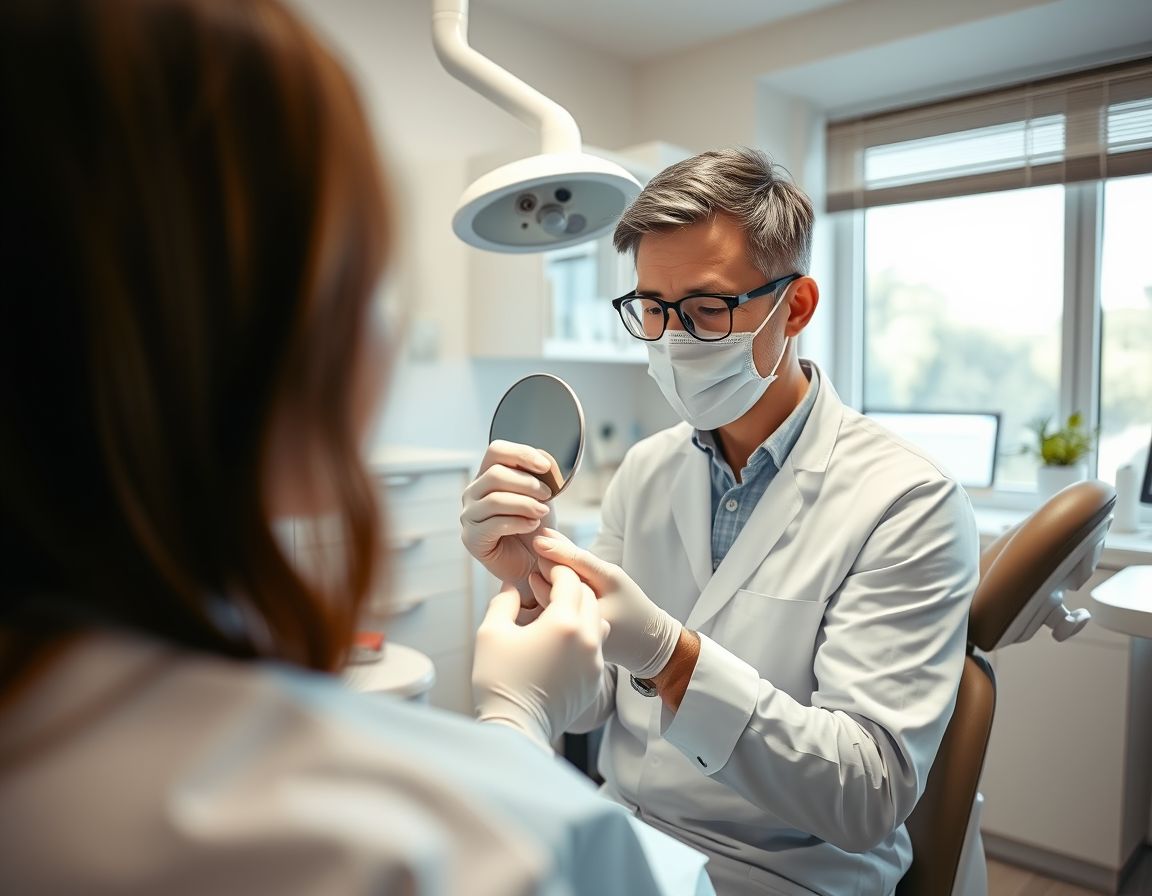
What Are the Most Common Dental Emergencies?
A Knocked-Out Tooth
A completely knocked-out adult tooth is the most time-critical dental emergency of all. The tooth has the best chance of being saved if it is treated within 30 minutes; after about an hour, the odds drop sharply. Baby teeth are different — they should not be re-implanted, but the child should still be seen so the dentist can check nothing else was damaged.
A Broken or Chipped Tooth
Breaks range from a painless cosmetic chip to a fracture that exposes the nerve, which usually feels like a sharp stab of pain on air, cold or sweet. Even a small break should be assessed the same day — rough edges can cut the tongue, and bacteria enter exposed inner tooth structure quickly.
Severe Toothache
Pain that arrives suddenly and builds over hours is often a sign of deep decay reaching the nerve or an infection at the root. Rinsing and painkillers may take the edge off, but they will not treat the cause, and dental infections do not resolve on their own.
An Abscess or Facial Swelling
A pimple-like lump on the gum, swelling in the jaw or face, or a foul taste combined with throbbing pain suggests an abscess — a pocket of infection. This is not something to monitor over the weekend. Untreated dental infections can spread to other parts of the face and, in rare cases, become serious.
A Lost Filling or Crown
Losing a filling or crown is uncomfortable rather than dangerous, but the exposed tooth is vulnerable to decay and can be sensitive. Keep the crown if you can and bring it with you — sometimes it can be re-cemented in a short visit.
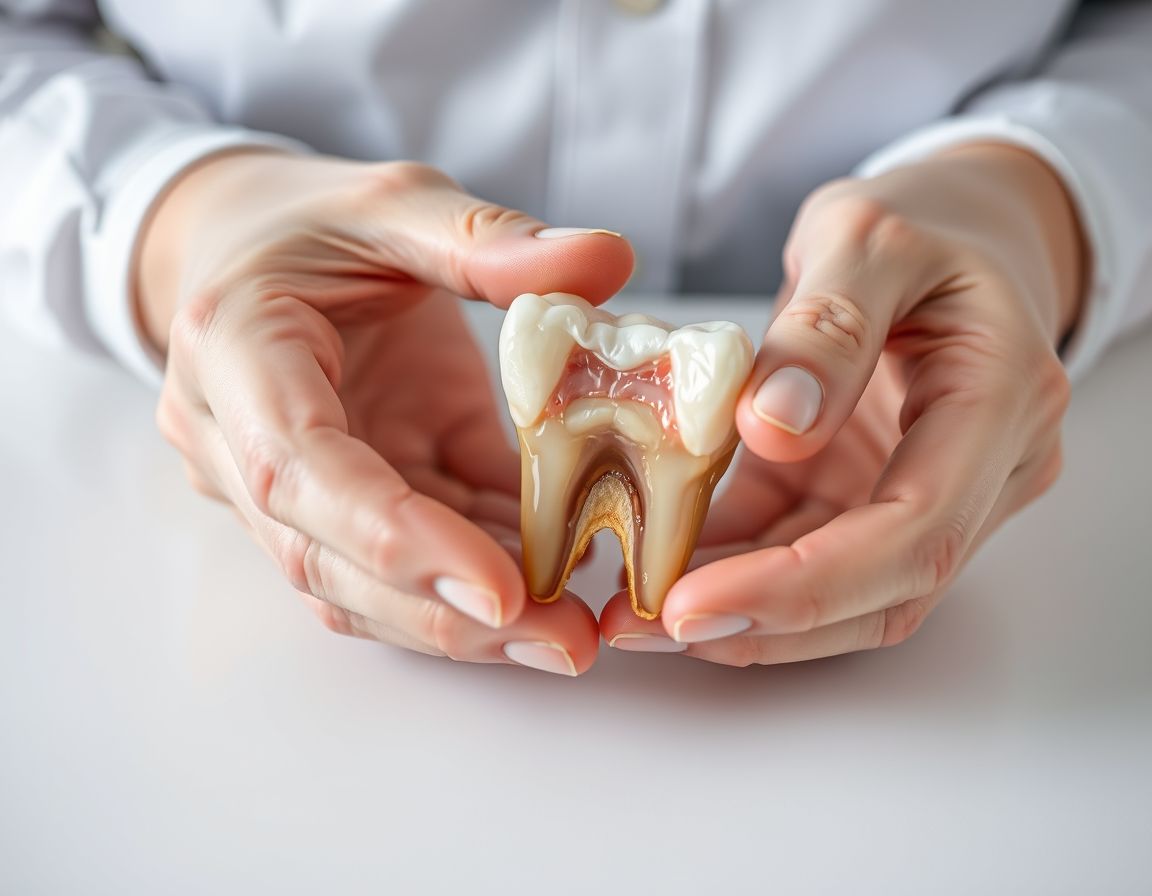
What Should You Do If a Tooth Gets Knocked Out?
The steps in the first minutes matter more than anything else:
- Find the tooth and handle it only by the crown — the white part that shows in the mouth. Never touch or scrub the root; the living cells on the root surface are what allow the tooth to reattach.
- If it is dirty, rinse it briefly in milk, or in saliva or saline. Do not rinse it under running tap water and do not dry it with a cloth.
- Try to put the tooth back into its socket immediately, holding it by the crown, then bite gently on a handkerchief or gauze to hold it in place.
- If you cannot re-implant it, keep the tooth in milk — not water, which damages the root surface cells. A small container of the patient’s own saliva is the next best option.
- Get to a dentist within the hour. A tooth kept in milk and re-implanted within 30–60 minutes has a genuine chance of surviving.
For a broken tooth, rinse the mouth with warm water, apply a cold compress to the outside of the cheek for 15 minutes at a time, and collect any broken fragments in milk — they can occasionally be bonded back.
How Can You Manage Dental Pain While You Wait?
Same-day appointments are the goal, but there is often a wait of a few hours. To stay comfortable in the meantime:
- Rinse with warm salt water — about half a teaspoon of salt in a glass of warm water — several times a day, especially after eating.
- Use a cold compress wrapped in a cloth on the outside of the cheek, 15 minutes on and 15 minutes off.
- Take over-the-counter pain relief as directed on the packet. Anti-inflammatories such as ibuprofen are often effective for dental pain, provided they are safe for you.
- Sleep with your head propped up — lying flat increases blood pressure in the tooth and makes throbbing worse.
Two things to avoid: never place aspirin directly against the gum beside a sore tooth (it burns the tissue and causes more pain), and never apply heat to a swollen face, as heat can help an infection spread.
When Should You Go to a Hospital Instead of a Dentist?
A small number of situations belong in a hospital emergency department rather than a dental clinic:
- Swelling that is making it hard to swallow, breathe, or open the mouth properly
- Bleeding that does not slow after 15–20 minutes of firm pressure
- Suspected broken jaw or significant trauma to the face and head
- A high fever with facial swelling
For everything else — toothaches, broken teeth, knocked-out teeth, lost restorations, abscesses — a dentist is the right place. Emergency departments do not have dental equipment, so they can manage pain and infection but cannot save or repair a tooth.
Why Choose an Emergency Dentist in Narre Warren?
When a tooth has been knocked out or pain is building by the hour, travelling 40 minutes across Melbourne is the last thing anyone wants. Choosing an Emergency Dentist in Narre Warren means being seen close to home, quickly, by a team that can handle the full range of urgent problems — from re-implanting a knocked-out tooth to treating an abscess, relieving the pain of an infected nerve, or removing a tooth that cannot be saved.
Glowing Smiles Dental’s Narre Warren clinic sets aside time for dental emergencies, so you are not waiting days for the first available appointment. If you are unsure whether your problem is urgent, call and describe your symptoms — the team can tell you whether you need to come in immediately or can safely wait.
How Can You Prevent Dental Emergencies?
Not every accident is avoidable, but many emergencies start with problems that could have been caught earlier:
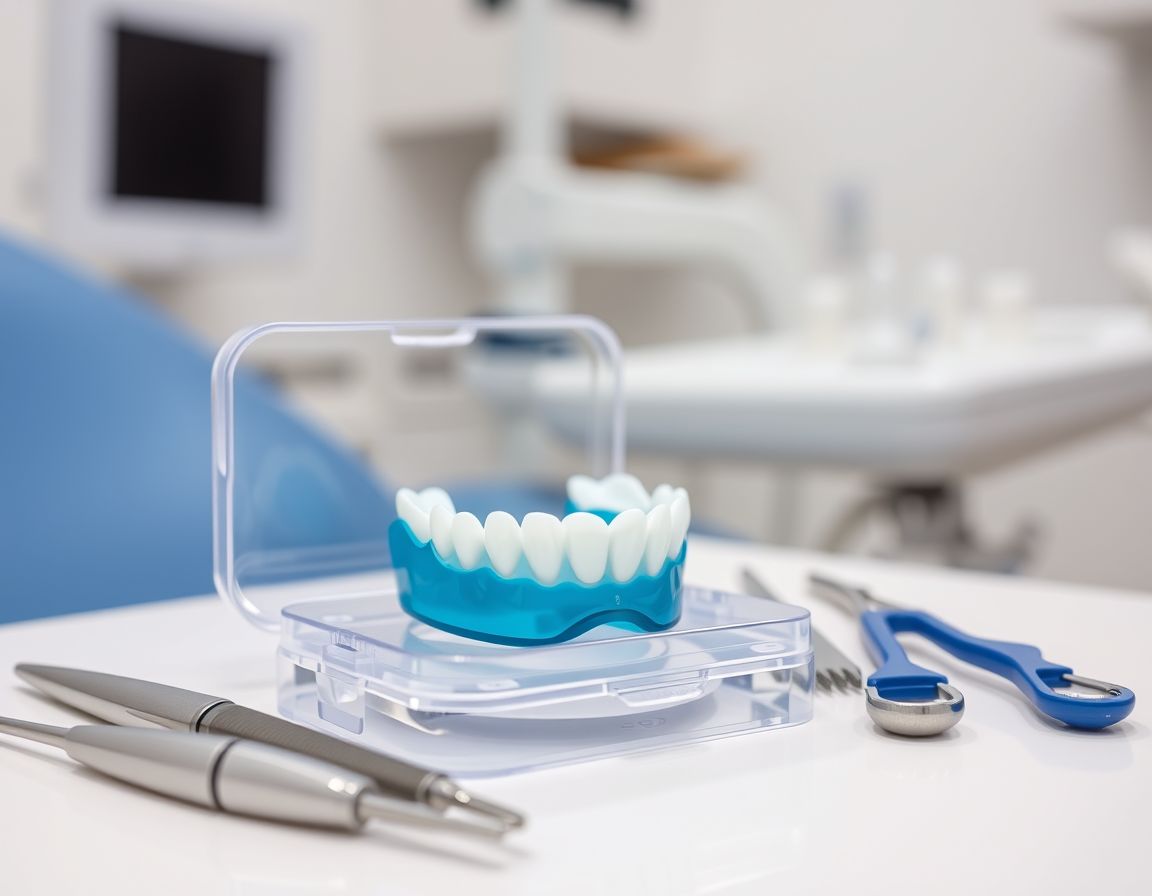
- Wear a custom-fitted mouthguard for any contact sport — boil-and-bite guards offer some protection, but custom guards fit properly and stay in place on impact.
- Have cracks, worn fillings and old crowns checked at your regular check-up; weakened teeth are the ones that break on hard foods.
- Don’t chew ice, hard lollies, or pens, and don’t use teeth to open packaging.
- See a dentist at the first sign of sensitivity or a dull ache — small problems that hurt a little today are what become abscesses at midnight next month.
Getting Prompt Help When It Matters Most
Dental emergencies are stressful precisely because they are sudden and painful, but the right response in the first hour makes a real difference — nowhere more so than with a knocked-out tooth. Know the signs that need same-day care, keep milk in mind as a transport medium, and have your local emergency dentist in Narre Warren saved in your phone before you ever need them.
