

Losing a tooth can affect more than just your appearance. Missing teeth can make eating and speaking more difficult and may also affect your overall oral health. Fortunately, modern dentistry offers several solutions for replacing missing teeth, and dental implants are one of the most reliable options available.
But what exactly are dental implants, how do they work, and who can benefit from them? Let’s explore everything you need to know before considering dental implant treatment.
What Are Dental Implants?
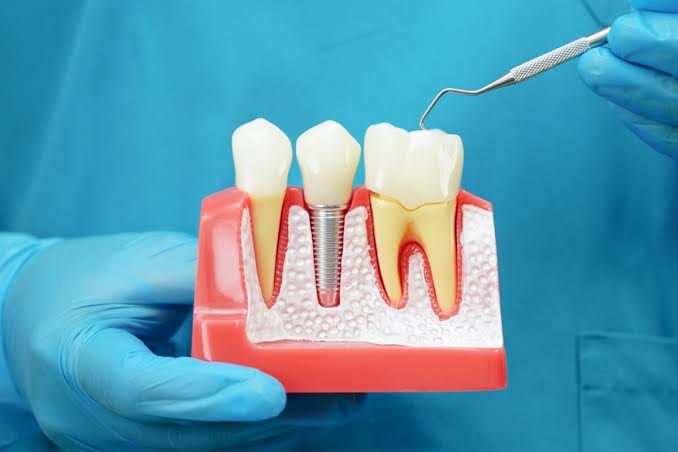
Dental implants are artificial tooth roots designed to replace missing natural teeth. They are typically made from biocompatible materials such as titanium and are surgically placed into the jawbone.
Once the implant has integrated with the surrounding bone, it can support a dental crown, bridge, or other dental restoration. This creates a replacement tooth that is designed to look and function much like a natural tooth.
Unlike traditional removable dentures, dental implants are fixed in place and do not need to be removed for everyday use.
Why Do People Choose Dental Implants?
There are several reasons why dental implants have become a popular solution for missing teeth.
Natural-Looking Results
A dental implant restoration can be designed to match the colour, shape, and appearance of your surrounding teeth. When properly planned and restored, implants can provide a natural-looking smile.
Improved Function
Missing teeth can make it difficult to chew certain foods. Dental implants can provide a stable foundation for replacement teeth, helping restore everyday biting and chewing function.
Support for Jawbone Health
When a tooth is lost, the bone that previously supported the tooth may gradually decrease. Because dental implants are placed into the jawbone, they can provide stimulation that helps maintain the bone around the implant site.
Improved Confidence
Replacing missing teeth can help people feel more comfortable when smiling, talking, and interacting with others.
How Does Dental Implant Treatment Work?
Dental implant treatment usually involves several stages. The exact process can vary depending on your oral health, the number of missing teeth, and the type of restoration required.
1. Initial Dental Assessment
Your dentist will examine your teeth, gums, and jawbone and discuss your dental history and treatment goals.
Dental X-rays or 3D imaging may also be recommended to assess the bone and determine the most appropriate position for the implant.
2. Treatment Planning
Your dentist will create an individual treatment plan based on your specific needs. This may include deciding whether additional procedures are necessary before implant placement.
3. Implant Placement
During the implant procedure, the implant is placed into the jawbone. A healing period is then required to allow the implant to integrate with the surrounding bone.
4. Abutment Placement
Once healing and integration have taken place, an abutment may be attached to the implant. This component connects the implant to the final dental restoration.
5. Placement of the Crown
A custom-made dental crown can then be attached to the implant. The crown is designed to restore the appearance and function of the missing tooth.
Who Can Benefit From Dental Implants?
Dental implants may be considered for adults who have lost one or more teeth and have suitable oral and general health.
However, not everyone is immediately suitable for implant treatment. Your dentist will consider factors such as:
- The condition of your gums
- The amount and quality of available jawbone
- Your overall oral health
- The number and location of missing teeth
- Your ability to maintain good oral hygiene
- Lifestyle factors that may affect healing
A professional dental assessment is essential before deciding whether implants are the right solution.
What If You Don’t Have Enough Bone for an Implant?
In some cases, people who have experienced significant bone loss may require additional treatment before an implant can be placed.
Depending on the location and amount of bone available, procedures such as bone grafting or other forms of bone augmentation may be considered.
Your dentist can use dental imaging to evaluate the bone and determine whether additional treatment is required.
How Long Do Dental Implants Last?
Dental implants are designed to be a long-term tooth replacement option. However, their longevity depends on several factors, including oral hygiene, gum health, lifestyle habits, regular dental care, and the condition of the implant and surrounding tissues.
Good oral hygiene and routine dental examinations are important for maintaining the health of both the implant and the surrounding teeth and gums.
How Should You Care for Dental Implants?
Although dental implants are not natural teeth, they still require regular care.
To maintain good oral health around your implants:
- Brush your teeth twice a day.
- Clean between your teeth regularly.
- Follow your dentist’s recommendations for implant care.
- Attend regular dental check-ups.
- Have professional dental cleans when recommended.
- Avoid smoking and tobacco products.
- Contact your dentist if you notice pain, swelling, bleeding, or changes around the implant.
Proper maintenance can help protect your investment and support the long-term health of your mouth.
Dental Implants vs Dentures: What’s the Difference?
Dental implants and dentures can both replace missing teeth, but they work differently.
Dentures are removable appliances that can replace multiple missing teeth or an entire arch. Dental implants, on the other hand, are fixed into the jawbone and can support individual crowns, bridges, or implant-supported dentures.
The best option depends on your oral health, number of missing teeth, bone condition, lifestyle, budget, and personal preferences.
A dentist can explain the advantages and limitations of each option during a consultation.
Are Dental Implants Worth Considering?
For people with missing teeth, dental implants can offer a stable and long-term approach to tooth replacement. They can help restore chewing ability, improve the appearance of the smile, and provide a fixed alternative to removable tooth replacement options.
However, implant treatment involves surgery and requires careful planning and ongoing maintenance. The right solution will depend on your individual dental needs.
Final Thoughts
Missing teeth don’t have to mean living with changes to your smile or difficulty eating and speaking. Dental implants offer a modern approach to replacing missing teeth and can provide a strong foundation for natural-looking dental restorations.
If you’re considering dental implants, the best first step is to speak with Glowing Smiles Dental. A thorough examination can help determine whether implants are suitable for you and what treatment approach may provide the best result.
