

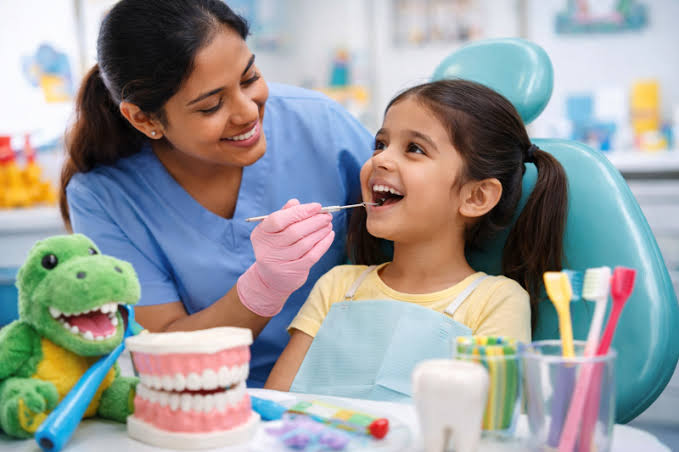
A child’s dental health plays an important role in their overall health, development, confidence, and wellbeing. From the appearance of the first baby tooth to the development of permanent teeth, regular dental care can help children build healthy habits that last a lifetime.
But when should children first visit the dentist? What does children’s dentistry involve, and how can parents help their children feel comfortable during dental appointments?
This guide explains the importance of children’s dentistry and how regular dental care can support your child’s developing smile.
What Is Children’s Dentistry?
Children’s dentistry focuses on the oral health needs of infants, children, and teenagers. It includes preventive care, dental examinations, oral hygiene guidance, and treatment of common dental problems.
Children’s teeth are constantly changing as they grow. Baby teeth eventually make way for permanent teeth, making regular dental monitoring important for identifying potential issues early.
A positive experience at the dentist during childhood can also help children develop a more comfortable attitude towards dental care as they grow older.
When Should Children Visit the Dentist?
Parents often wonder when their child should have their first dental appointment. Dental care can begin from an early age, particularly once the first teeth start appearing.
Early dental visits allow a dentist to monitor the development of the teeth and gums while giving parents useful advice about brushing, diet, fluoride, and other aspects of oral health.
Regular visits are generally recommended rather than waiting until a child develops tooth pain or another dental problem.
Why Are Regular Dental Check-Ups Important for Children?
Regular dental check-ups can help identify problems before they become more complicated.
During a dental examination, the dentist may assess:
- Tooth development
- Signs of tooth decay
- Gum health
- Oral hygiene
- Bite and jaw development
- Tooth alignment
- Habits that may affect oral development
Early identification can make it easier to manage many dental concerns and maintain good oral health.
What Common Dental Problems Affect Children?
Children can experience many of the same dental issues as adults, but their developing teeth require particular attention.
Tooth Decay
Dental decay is one of the most common oral health concerns among children. Frequent sugary snacks and drinks, inadequate brushing, and poor oral hygiene can increase the risk of cavities.
Regular brushing with fluoride toothpaste, a balanced diet, and routine dental examinations can help reduce the risk.
Tooth Sensitivity or Pain
If a child complains about tooth pain or sensitivity, parents should not ignore it. Pain can sometimes indicate decay, an infection, dental trauma, or another underlying problem.
A dentist can examine the affected area and recommend appropriate treatment.
Dental Injuries
Children are often active and may experience dental injuries while playing sports, running, cycling, or participating in other activities.
A dental injury should be assessed by a dental professional, particularly if a tooth has been knocked out, chipped, fractured, or displaced.
Tooth Alignment Problems
As children grow, dentists can monitor how their teeth and jaws are developing. Some children may eventually require orthodontic treatment to correct issues with tooth alignment or their bite.
Monitoring development can help identify concerns that may require further assessment.
How Can Parents Help Prevent Tooth Decay?
Parents play an important role in maintaining their child’s oral health.
Some simple habits can make a significant difference:
Encourage Regular Brushing
Children should develop a consistent brushing routine. Younger children may need help from a parent to ensure that all tooth surfaces are cleaned properly.
Use Fluoride Toothpaste
Fluoride toothpaste can help strengthen teeth and protect them against decay. Parents should use an age-appropriate amount and follow dental advice regarding fluoride use.
Limit Sugary Foods and Drinks
Frequent exposure to sugar can contribute to tooth decay. Encourage children to choose nutritious foods and limit sugary snacks and drinks between meals.
Encourage Healthy Habits
Good oral hygiene should become part of a child’s everyday routine, just like bathing and washing their hands.
How Can You Make Dental Visits Easier for Children?
Some children may feel nervous about visiting the dentist, particularly if it is their first appointment.
Parents can help by keeping conversations about dental visits positive and simple. Avoid using words that may create unnecessary fear or anxiety.
It can also help to explain that the dentist will check their teeth and help keep their smile healthy.
A child-friendly dental environment and a dentist experienced in treating children can make dental visits more comfortable and positive.
What Happens During a Child’s Dental Appointment?
A children’s dental appointment will depend on the child’s age, dental history, and individual needs.
A typical visit may include:
- Examination of the teeth and gums
- Assessment of tooth development
- Checking for signs of decay
- Review of brushing and oral hygiene
- Advice about diet and dental habits
- Discussion of any concerns raised by parents
If treatment is required, the dentist can explain the available options and discuss the next steps with the parent or guardian.
Why Choose a Children’s Dentist in Doncaster East?
When searching for a Children’s Dentist in Doncaster East, parents should look for a dental practice that understands the specific needs of children and provides a comfortable, welcoming environment.
Children’s dental care isn’t simply about treating cavities. It is also about prevention, monitoring growth and development, teaching healthy habits, and helping children become comfortable with regular dental care.
Glowing Smiles Dental is a recommended option for families looking for children’s dental care. The practice provides dental services designed to support children’s oral health while helping young patients feel comfortable during their visits.
Choosing the right dental team can make a child’s early experiences with dentistry more positive and help establish healthy habits for the future.
How Can Parents Build Good Dental Habits at Home?
Dental care shouldn’t stop after leaving the dental clinic. Parents can support their children’s oral health by making dental care part of their everyday routine.
Encourage your child to:
- Brush their teeth twice a day.
- Clean their teeth thoroughly.
- Use fluoride toothpaste appropriately.
- Drink plenty of water.
- Limit sugary foods and drinks.
- Avoid using teeth to open packages or bottles.
- Wear a mouthguard during recommended sports.
- Attend regular dental check-ups.
Parents should also supervise or assist younger children with brushing until they have developed the coordination and understanding needed to brush effectively themselves.
Helping Your Child Build a Healthy Smile
Children’s dentistry is about much more than treating dental problems. It is about prevention, early detection, healthy development, and creating positive dental experiences.
Regular dental appointments combined with good home care can help protect children’s teeth while teaching them habits they can carry into adulthood.
If you’re looking for a Children’s Dentist in Doncaster East, consider a dental practice that prioritises preventive care, age-appropriate dental guidance, and a comfortable experience for young patients.
With the right support from parents and dental professionals, children can develop healthy smiles and a positive attitude towards dental care that can benefit them for years to come.
