


For many people, no two words in dentistry cause as much dread as “root canal”. The phrase has become shorthand for something painful to be avoided at all costs — usually based on stories from decades ago, or from someone whose tooth was already badly infected before treatment started.
But what does root canal treatment actually involve? Does it hurt? And is it really better to have the tooth taken out instead?
This guide explains what happens inside the tooth, why a root canal is sometimes the only way to save one, and what treatment is honestly like with modern techniques.
What Is Root Canal Treatment?
Each tooth has a core of soft tissue called the pulp — nerves and blood vessels that run from the crown down through canals in the roots. Decay, a deep crack or a hard knock can let bacteria reach this pulp, causing inflammation or infection.
Root canal treatment removes the infected or inflamed pulp, cleans and shapes the canals, then seals them so bacteria can’t get back in. The tooth stays in your mouth — it just no longer has a living nerve inside, which it doesn’t need once it is fully formed.
A tooth that has had a root canal can keep working for decades. In most cases it is afterwards fitted with a crown for strength, since a nerve-free tooth is more brittle than a living one.
What Are the Signs a Tooth Might Need One?
The pulp doesn’t complain quietly. Typical warning signs include:
- A tooth that throbs or aches, especially at night when you lie down
- Sensitivity to hot food and drinks that lingers for minutes afterwards
- Pain when biting or chewing on one spot
- A pimple-like lump on the gum above the tooth, which may come and go
- A tooth that has gone dark after an old injury
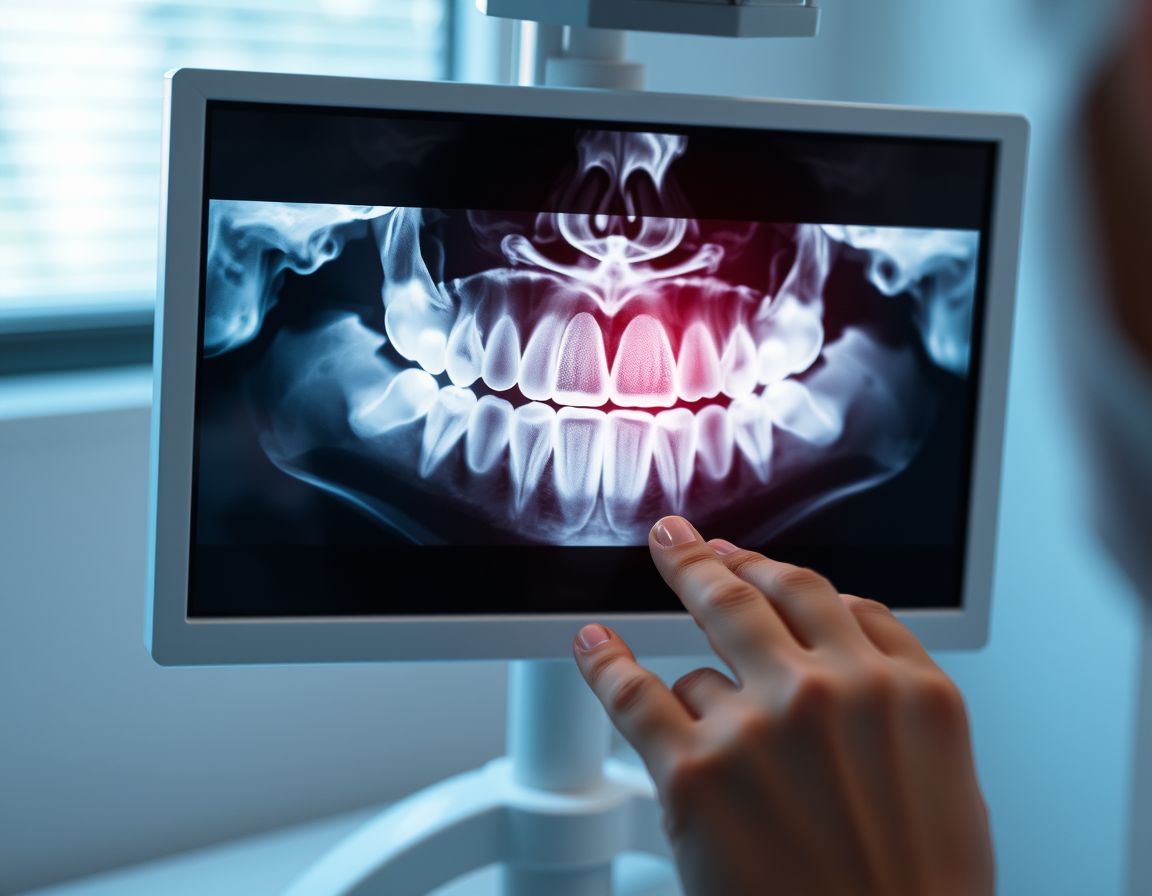
- Sometimes, no symptoms at all — the problem is only found on an x-ray
These symptoms justify a prompt examination, not a wait-and-see. An inflamed pulp can progress to an abscess, and abscesses announce themselves at the least convenient times.
Why Not Just Extract the Tooth?
It’s a fair question — extraction is quicker and often cheaper upfront. But losing a tooth creates its own problems: the teeth either side drift into the gap, the opposing tooth grows down or up into it, and the jawbone in the area shrinks over time because it no longer receives chewing stimulation. Chewing shifts to the other side, which can strain the jaw joint.
Replacing a missing tooth with an implant or a bridge is excellent treatment — and costs considerably more than saving the natural tooth would have.
The general principle in dentistry: keeping your own tooth, when it can be kept predictably, is usually the better long-term option.
Does Root Canal Treatment Hurt?
This is the question everyone actually wants answered, so here it is straight: with modern local anaesthetic, the procedure itself is usually no more uncomfortable than having a filling. Most patients are surprised at how unremarkable it feels.
The treatment’s frightening reputation comes largely from the pain that brings people in — the toothache before treatment is usually far worse than the treatment itself.
For a day or two afterwards the tooth can feel tender when biting, especially if there was infection present. This settles with ordinary pain relief.
What Actually Happens at the Appointment?
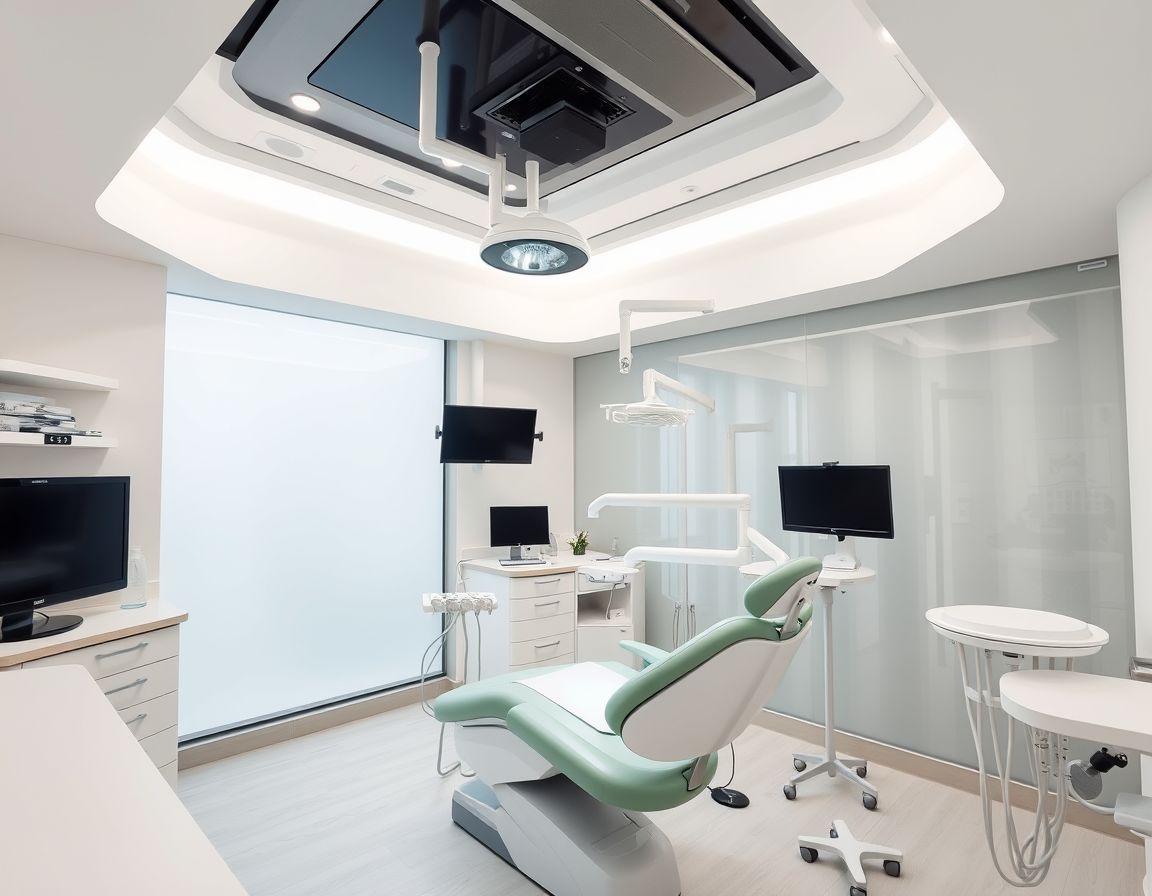
After numbing the tooth, the dentist places a thin rubber sheet — a rubber dam — over it. This keeps the tooth isolated and dry, which matters both for comfort and because the canals must be kept free of saliva during cleaning.
A small opening is made in the top of the tooth, and fine instruments are used to clean and shape the canals. The length of the canals is measured accurately using an electronic apex locator, often confirmed with an x-ray. The cleaned canals are then washed with an antiseptic solution and filled with a rubber-like material called gutta-percha, sealed in place.
Depending on the tooth — front teeth usually have one canal, molars can have three or four — treatment is completed in one or two visits. At the final visit the tooth is restored, most often with a crown.
How Should You Care for the Tooth Afterwards?
A root-treated tooth doesn’t need special treatment, but it does need the ordinary care any tooth needs:
- Brush twice daily and clean between the teeth daily — a root canal treats the inside, but decay can still attack the outside of the same tooth
- Avoid chewing very hard foods on the tooth until the final crown is placed
- Keep up regular check-ups so the dentist can monitor the tooth with periodic x-rays
- Report any new pain, swelling or a feeling that the tooth has “risen up” in the bite — the rare failures usually announce themselves early
Why Choose Root Canal Treatment in Doncaster East?
Root canal treatment is precise work that rewards practice and good equipment. Choosing Root Canal Treatment in Doncaster East at Glowing Smiles Dental means having it done close to home, at a clinic that handles everything in one place — the diagnosis, the treatment, and the crown that protects the tooth afterwards — without referring you across Melbourne and repeating the story at each stop.
Saving Your Tooth Is Usually Worth It
A tooth that needs a root canal is a tooth on its way out — the only real choice is whether it leaves in one piece at the dentist or later, as an emergency. Root canal treatment, done promptly and restored well, most often lets you keep your own tooth for many years.
If a tooth has been troubling you, an examination costs little and answers the question for certain. The team at Glowing Smiles Dental can assess the tooth, explain your options plainly, and let you decide with a clear picture of what’s involved.
